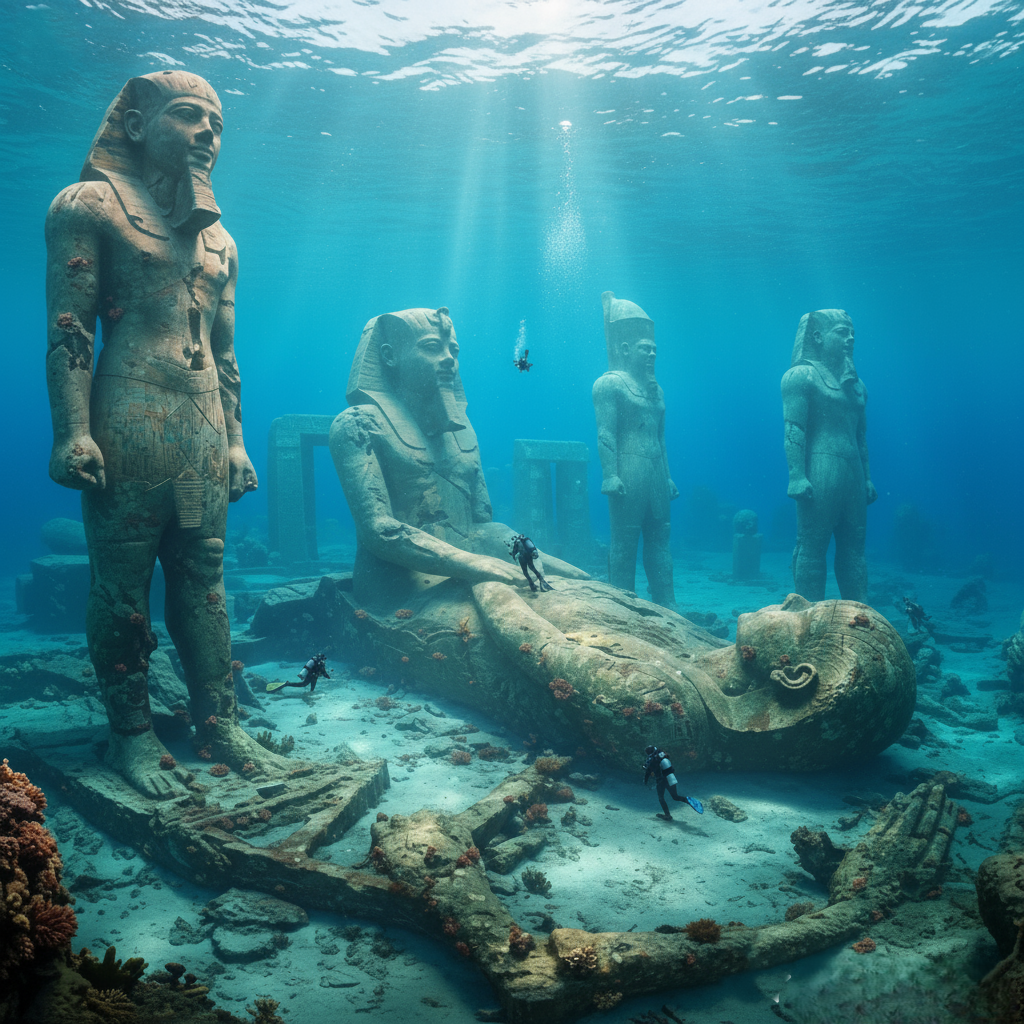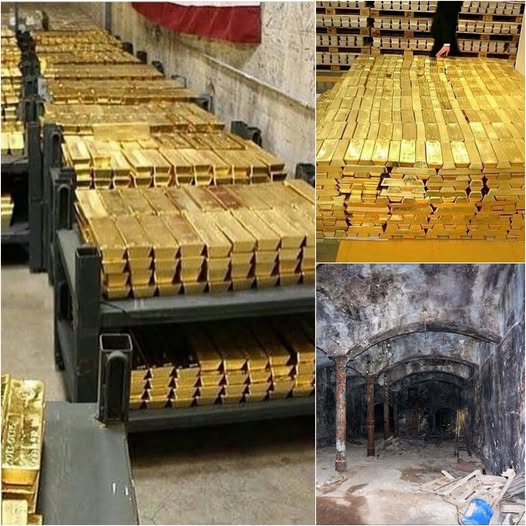
Deep within the frozen wilderness of Siberia lies a discovery that has sent shockwaves through history and treasure hunting alike. An abandoned railway tunnel near the pristine waters of Lake Baikal has revealed what many believed to be mere legend: the legendary $80 billion treasure of the last Tsar of Russia. For over a century, whispers circulated about crates filled with gold bars, sparkling imperial jewels, and vast state reserves smuggled away during the tumultuous Russian Civil War—but none had ever found a definitive trace of this hidden wealth—until now.
Recently, a restoration crew working to rehabilitate the collapsing tunnel unintentionally broke through debris, unveiling sealed vaults adorned with the Romanov crest. These chambers, untouched since 1918, have sparked unprecedented excitement and speculation. Inside, the crew discovered glimmers of gold interspersed among rusted weaponry and alarming documents that hinted at the frantic efforts by the royal family to salvage an empire on the brink of destruction.
As news of the find spread, authorities rushed to contain the situation, concerned about the implications of this revelation. This treasure, once dismissed as myth, now threatens to rewrite the final chapter of the Romanovs, the family that ruled Russia for over three centuries. Could it be that history hid these riches away not just for protection, but as a reminder of a bygone era?
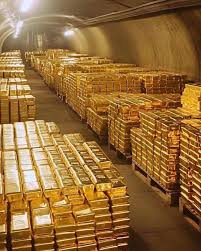
Images of the treasure are already circulating on social media, igniting worldwide frenzy and debate. Treasure seekers, historians, and curious onlookers are captivated by the tantalizing chance to own a piece of history that has eluded understanding for generations. However, this discovery also raises questions regarding its authenticity and the moral implications of unearthing wealth that once belonged to an imperial family now synonymous with tragedy and downfall.
The last Tsar, Nicholas II, and his family met a horrifying fate, executed amid the chaos of revolution—but what if their treasure holds the key to understanding their ultimate demise? This discovery compels us to ponder larger questions about power, legacy, and the relentless pursuit of wealth in a time of turmoil.
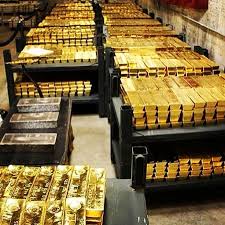
As the world’s eyes turn toward Siberia, the implications of the lost gold extend beyond mere treasure; they encapsulate a rich history of obsession, tragedy, and the often unseen consequences of human ambition. The story of the Romanovs lingers, waiting to unfold in the new light cast by this stunning revelation, challenging our perceptions of history while reminding us that some secrets are buried, but not forgotten